STUDENT WORK

Coursera User Retention

Coursera · 2021~2 monthsLead Designer
Role
Lead Designer
Scope
UX research, concepting, interaction design, lo-fi & hi-fi prototyping, usability testing
Tools
Figma, Miro, Google Forms/Sheets
Timeline
~2 months
Team
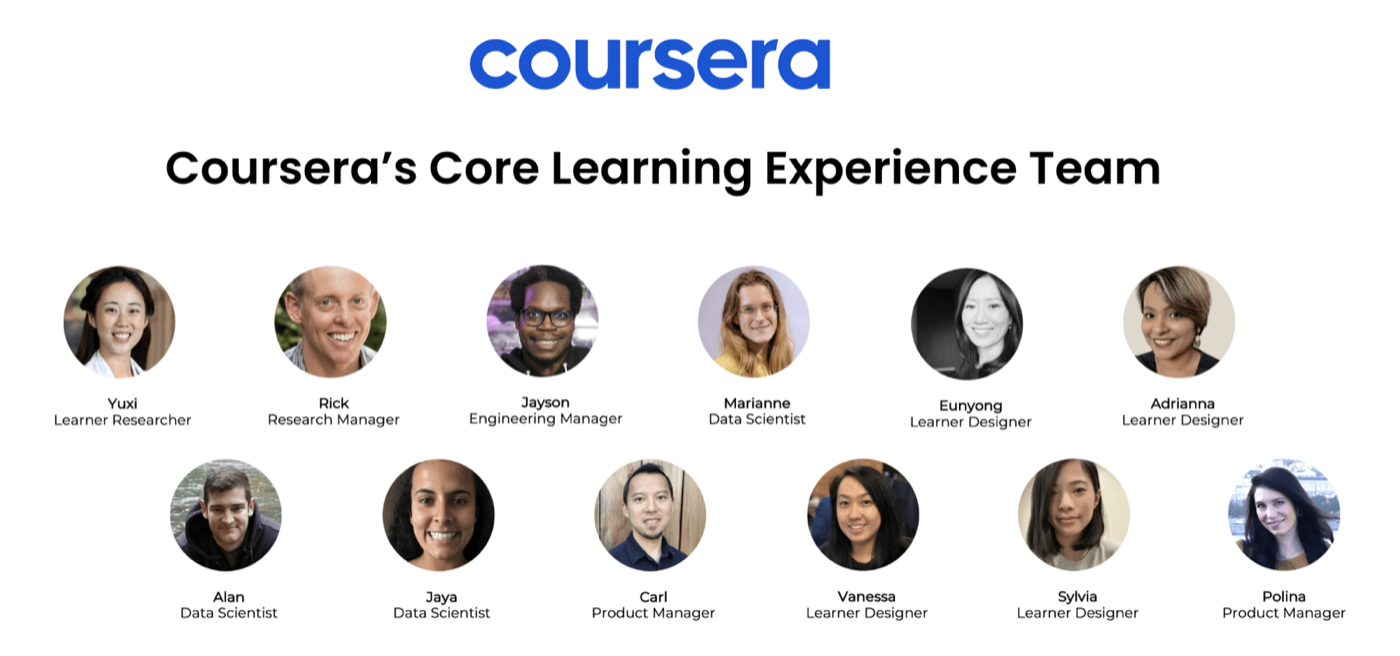
4 Stanford student designers; Coursera Core Learning Experience partners (Learner Researcher, Product Manager)

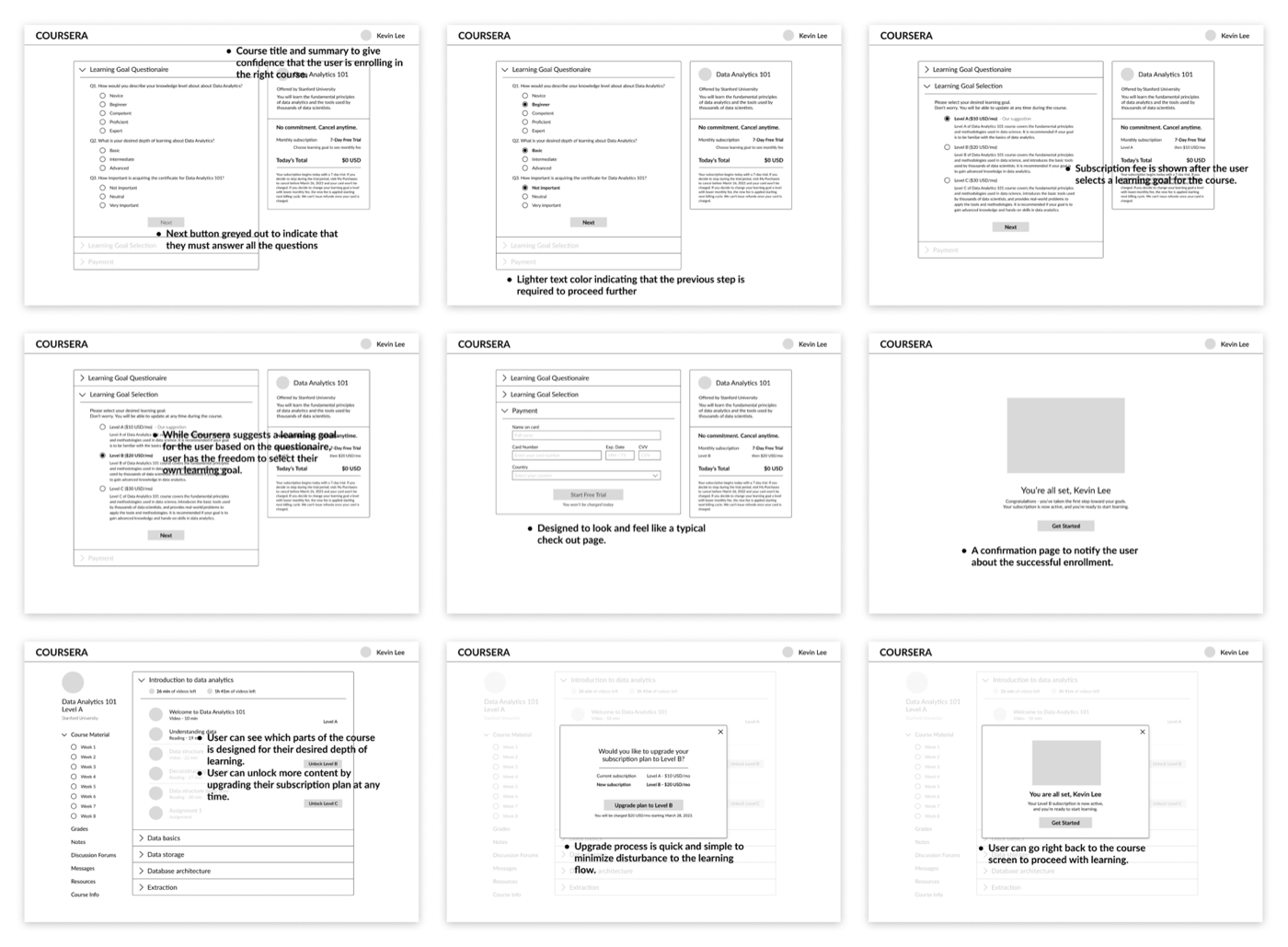
I led research and prototyping for a new enrollment-to-course-start flow that gives learners autonomy to define what “completion” means, then tracks progress toward those personal goals. We simplified checkout, moved goal-setting into the course context, and introduced milestone tracking, then iterated after usability testing with 8 Massive Open Online Course (MOOC) learners.
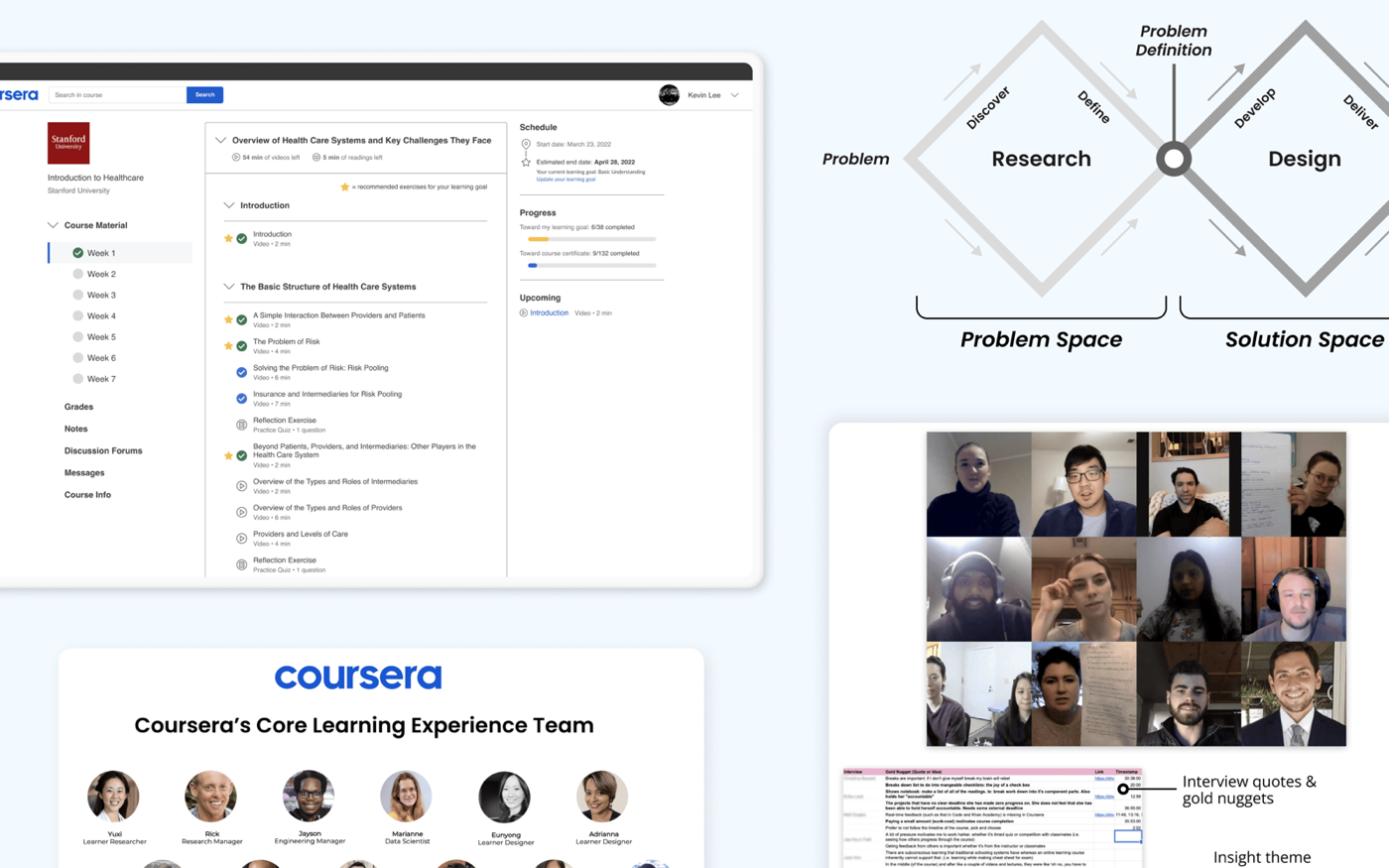
Coursera User Retention
01

Problem & context

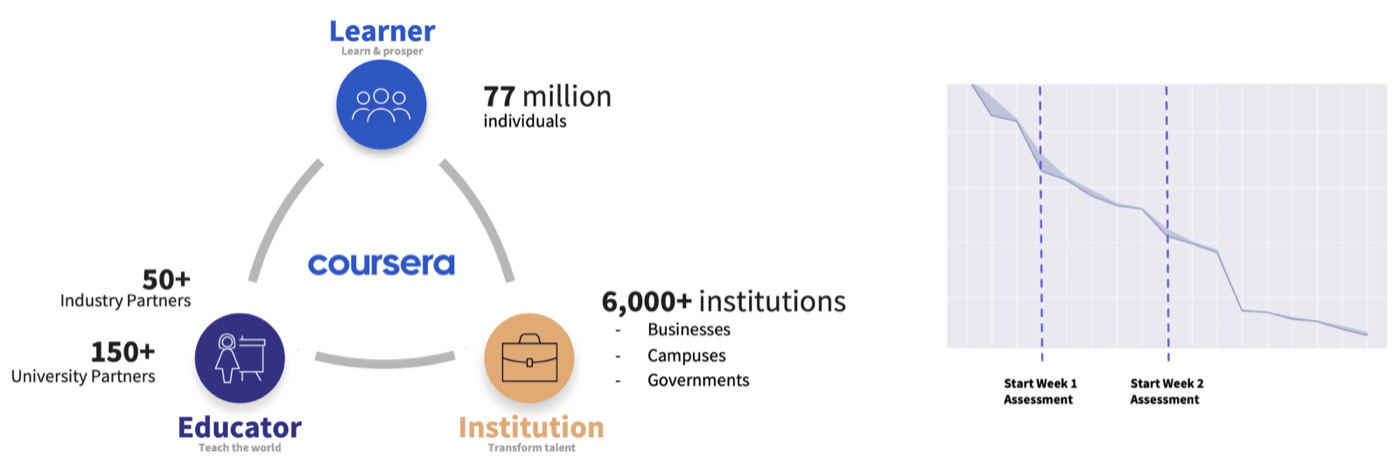
Self-paced MOOCs attract diverse intents (career switchers, refreshers, single-module learners). Coursera’s definition of “completion” (finishing the entire course) didn’t always match those intents, which left many learners feeling like they’d “failed” even when they’d learned what they came for.

02

The challenge

How might we give learners with different learning goals a sense of accomplishment and completion?

03

My responsibilities

Drove research synthesis (personas, journey map, affinity mapping, 2×2s)
Designed and prototyped the end-to-end flow (lo-fi to hi-fi)
Facilitated usability testing with 8 MOOC users and iterated on findings
Collaborated with Coursera’s researcher (Yuxi) and PM (Carl) for feasibility and scope
Coursera User Retention, My responsibilities
04

Research & insights

I combined stakeholder interviews, 8 learner interviews/tests, journey mapping, competitive landscape analysis, user testing.

Key insights:
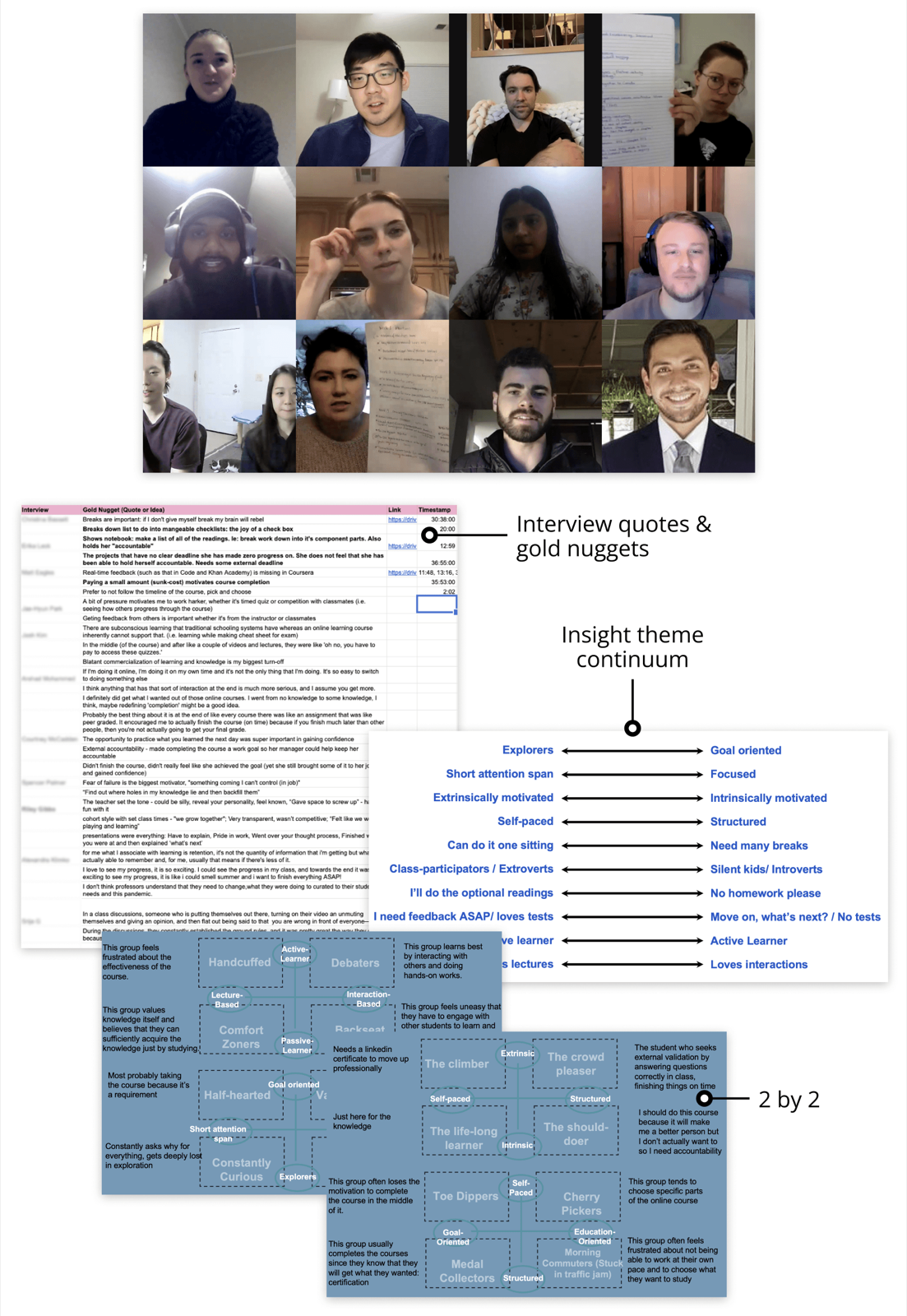
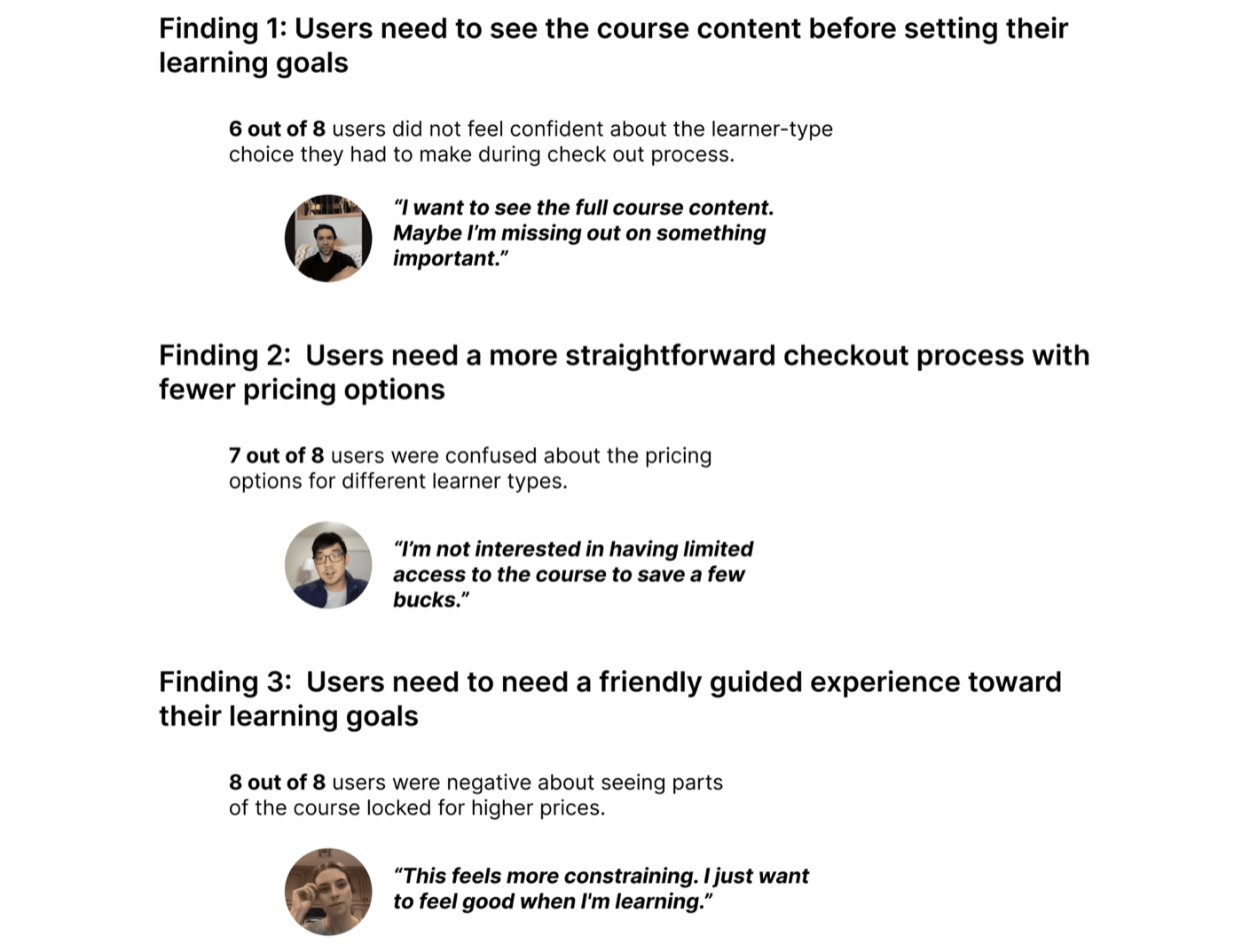
Learners wanted to skim the course before committing to a goal.
“All-or-nothing” completion definitions hurt motivation for goal-oriented learners.
Momentum improved when learners saw personal milestones in parallel with course progress.
Too much choice or early goal friction slowed enrollment.
Coursera User Retention, Research & insights
05

Strategy & prioritization

We focused on clarity and momentum over complexity:

Keep enrollment simple, 1 payments page.
Set learning goals in context, on the course home, after a quick skim.
Track personal milestones alongside course completion.

Constraints:

No changes to Coursera’s subscription/pricing model or back-end plan architecture. Goal-setting needed to layer onto the existing experience, not overhaul it.
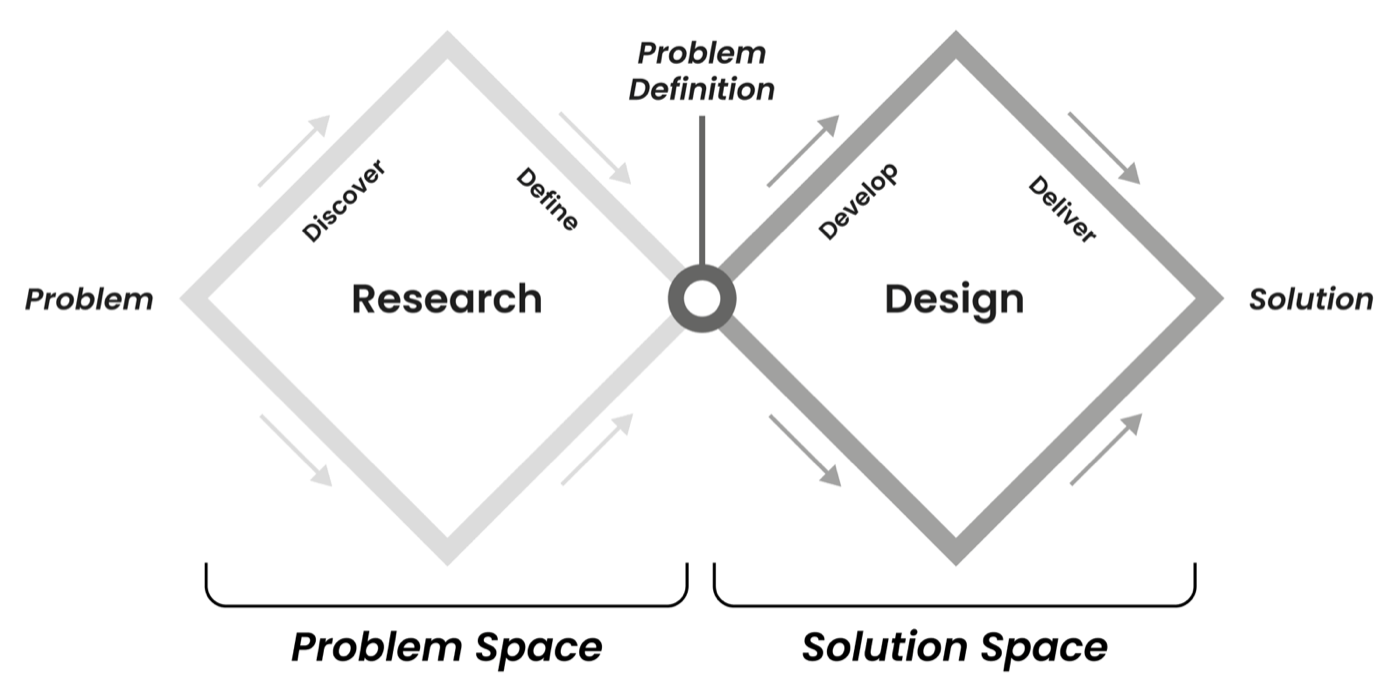
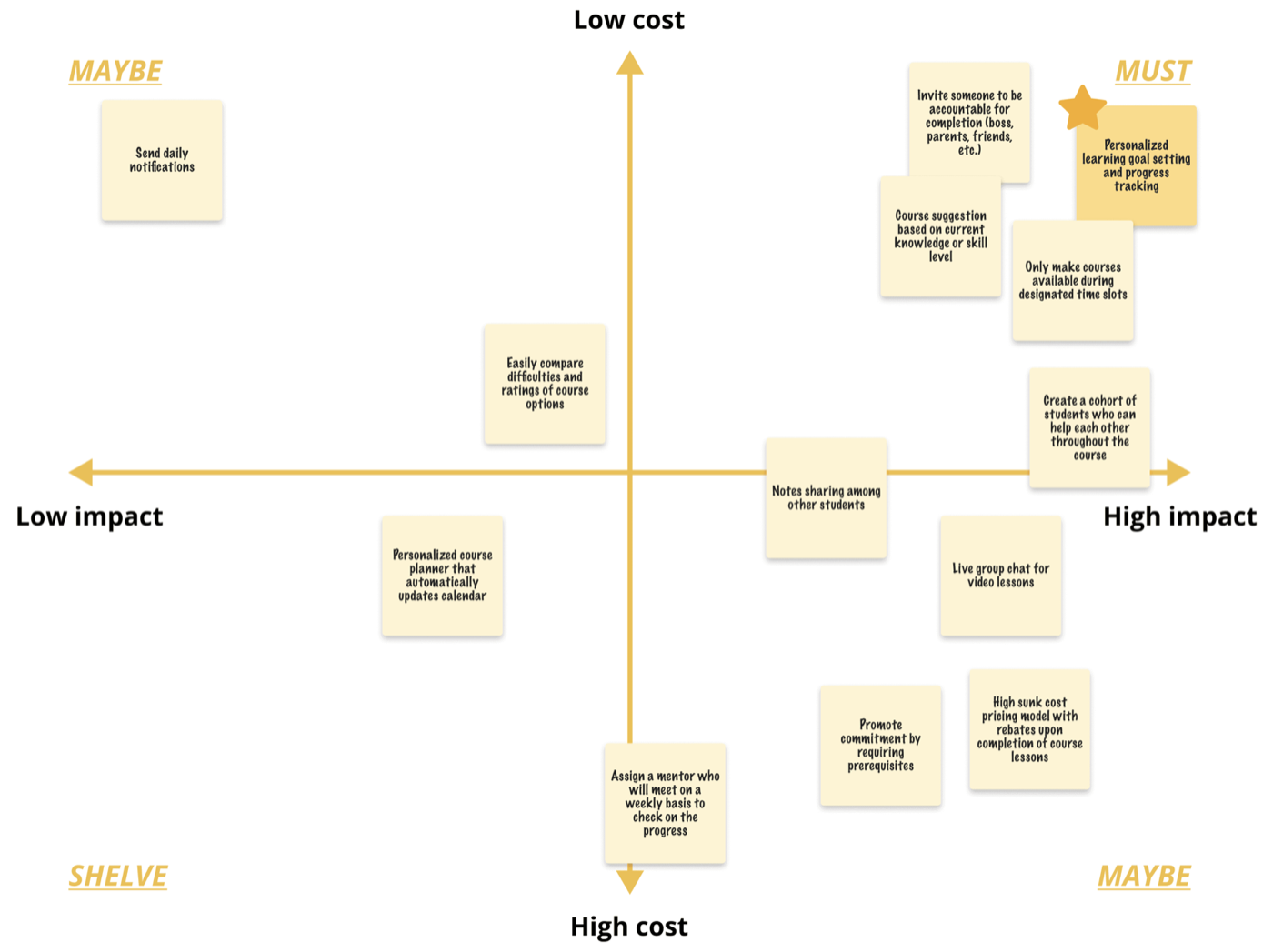
Coursera User Retention, Strategy & prioritization
06

Design solutions

1. Simplified Enrollment (Single Payments Page)
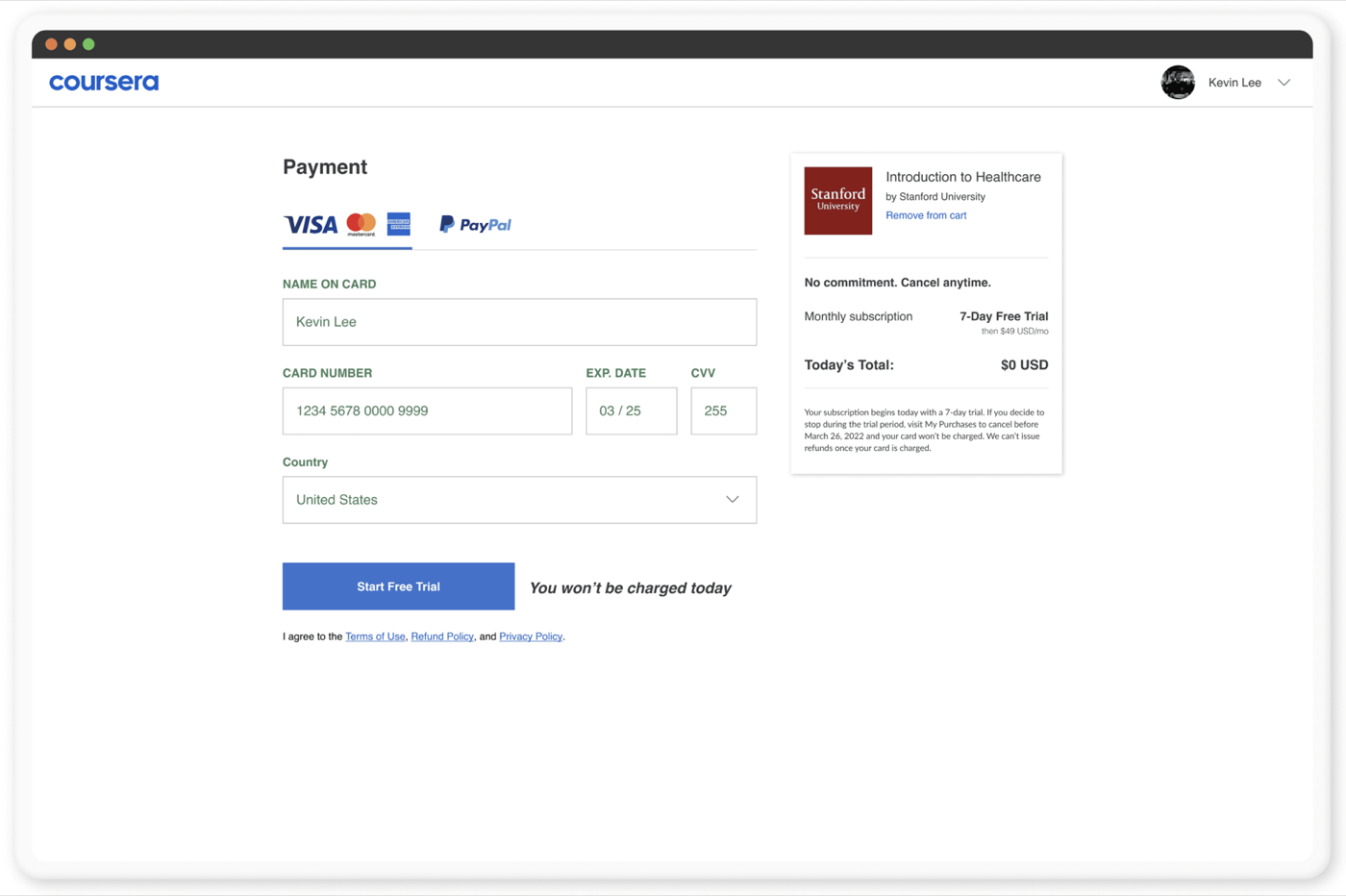
Removed goal setup from checkout to reduce friction.
Preserved Coursera’s existing billing mechanics to stay in scope.
Coursera User Retention, Design solutions

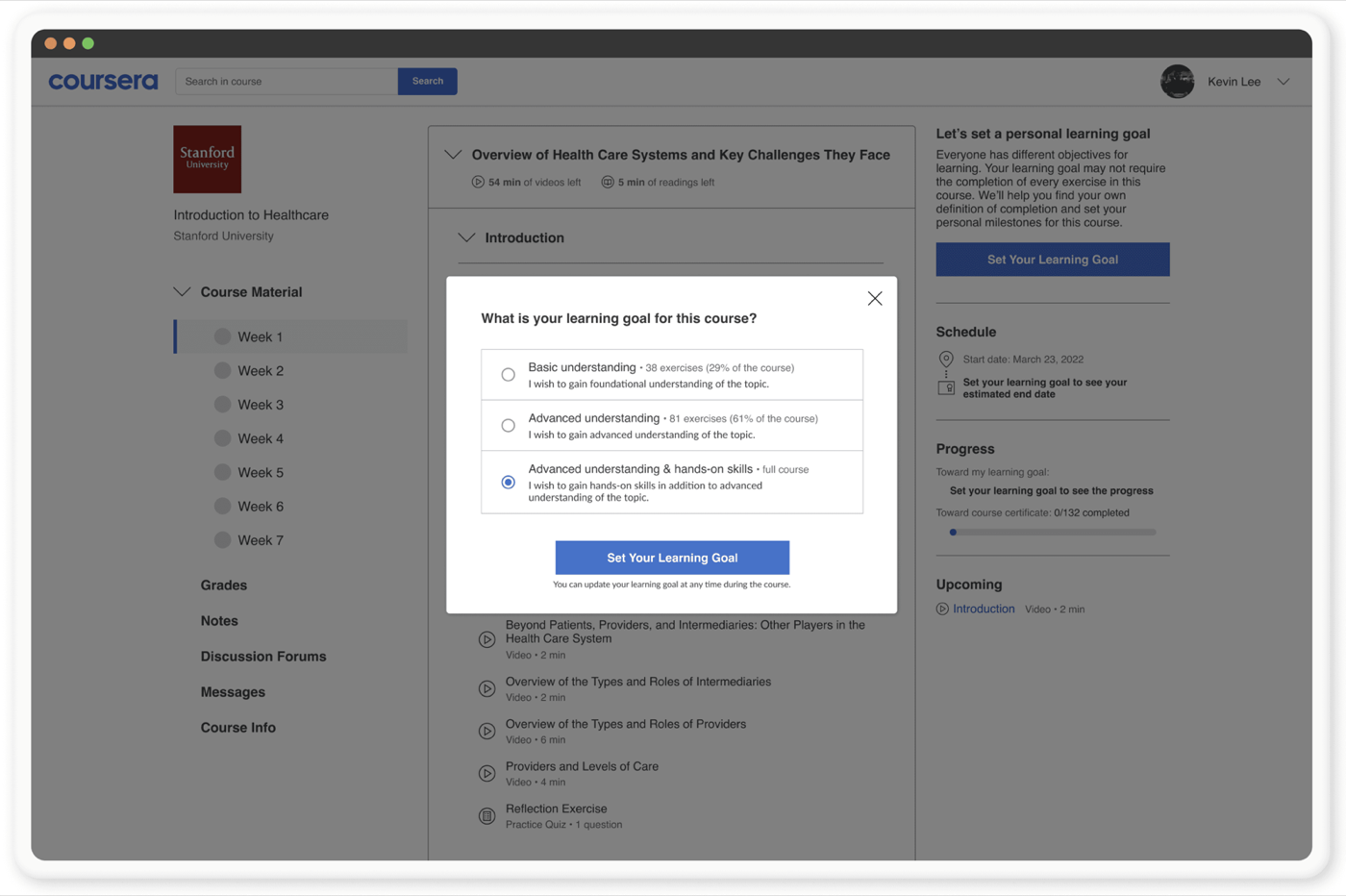
2. Personal Learning Goal Setup

Prompt appears once learners have scanned the syllabus and sample content.
Clear goal presets (e.g., “Complete Module 1,” “Complete 1 Module Every Week”) plus an open-ended option.
Language reframed “completion” to goal-based success, not only course-wide completion.
Coursera User Retention, Design solutions

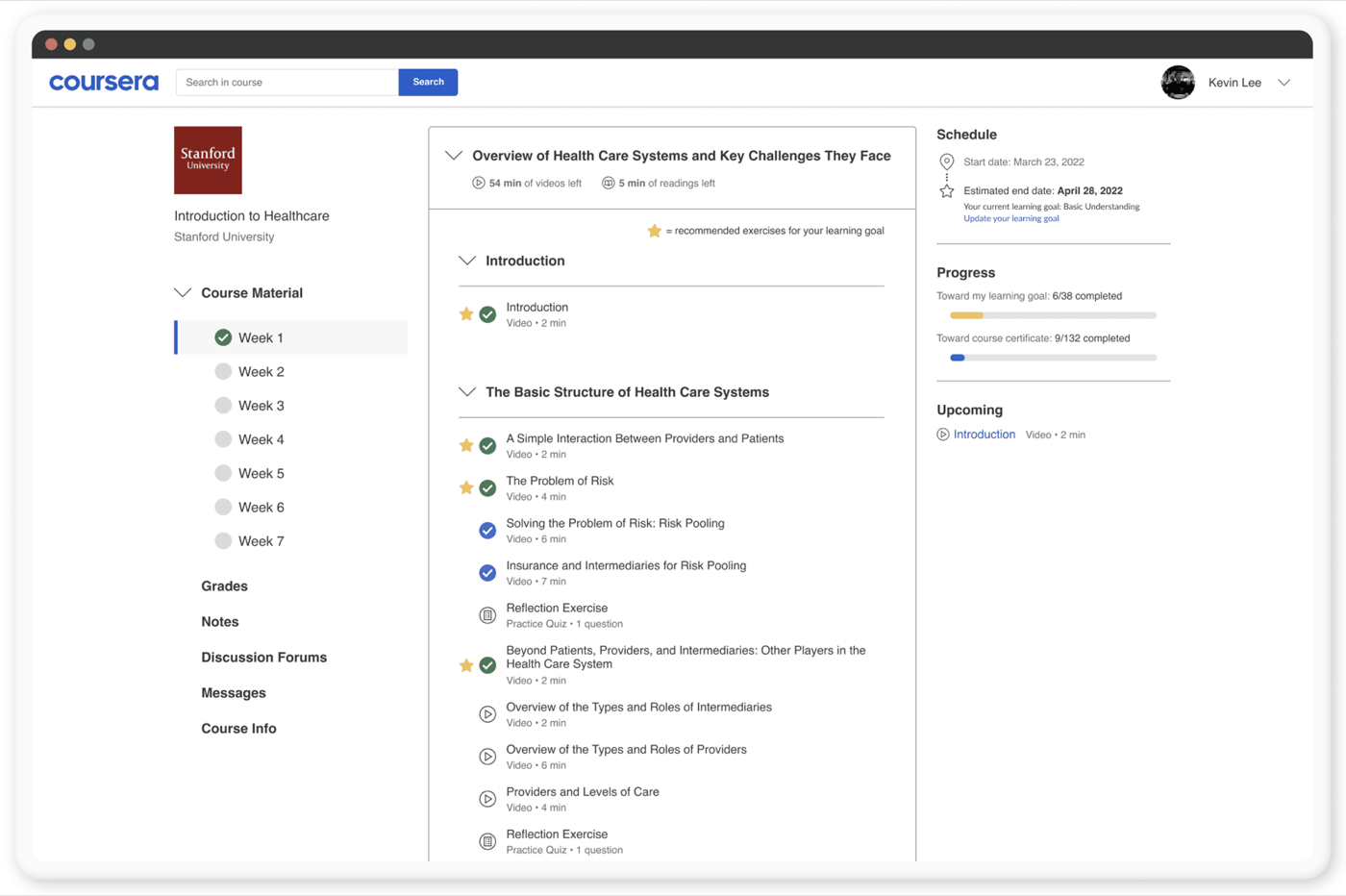
3. Milestone Tracking & Goal Updates

Personal milestone progress bar displayed alongside overall course progress.

“You’re on track” micro-feedback and easy goal edits if needs change.
Coursera User Retention, Design solutions
07

Validation & iteration

Conducted 8 usability tests with MOOC learners and made multiple design iterations
Moved goal-setting out of checkout (users wanted to review content first)
Tightened goal presets to be actionable and measurable
Made personal milestones visible on the course home and in-lesson header
Coursera User Retention, Validation & iteration
08

Collaboration

Coursera Core Learning Experience: ongoing feedback from Yuxi (research) and Carl (PM) to keep solutions feasible and aligned with current systems
Team of 4: I led flow design and hi-fi mockups; entire team co-ran research and synthesis
Coursera User Retention, Collaboration
09

Results & impact

Positive feedback from Coursera’s Learning Experience team on the evidence-based approach and seamless integration points
In testing, learners reported the dual progress view (course + personal milestone) “made completion feel achievable.”
Concept positioned for potential future exploration; not shipped
10

Reflection

This project taught me to design for intent, not just completion. By moving goal-setting into the right moment (after a quick skim) and surfacing personal milestones, we reframed success in a way that better fits real learner motivations, without touching risky business levers like pricing or subscriptions. If continued, I’d explore lightweight streaks and “return points” to further reduce the friction of restarting after a break.