Stanford Projects
Design Thinking Workshop
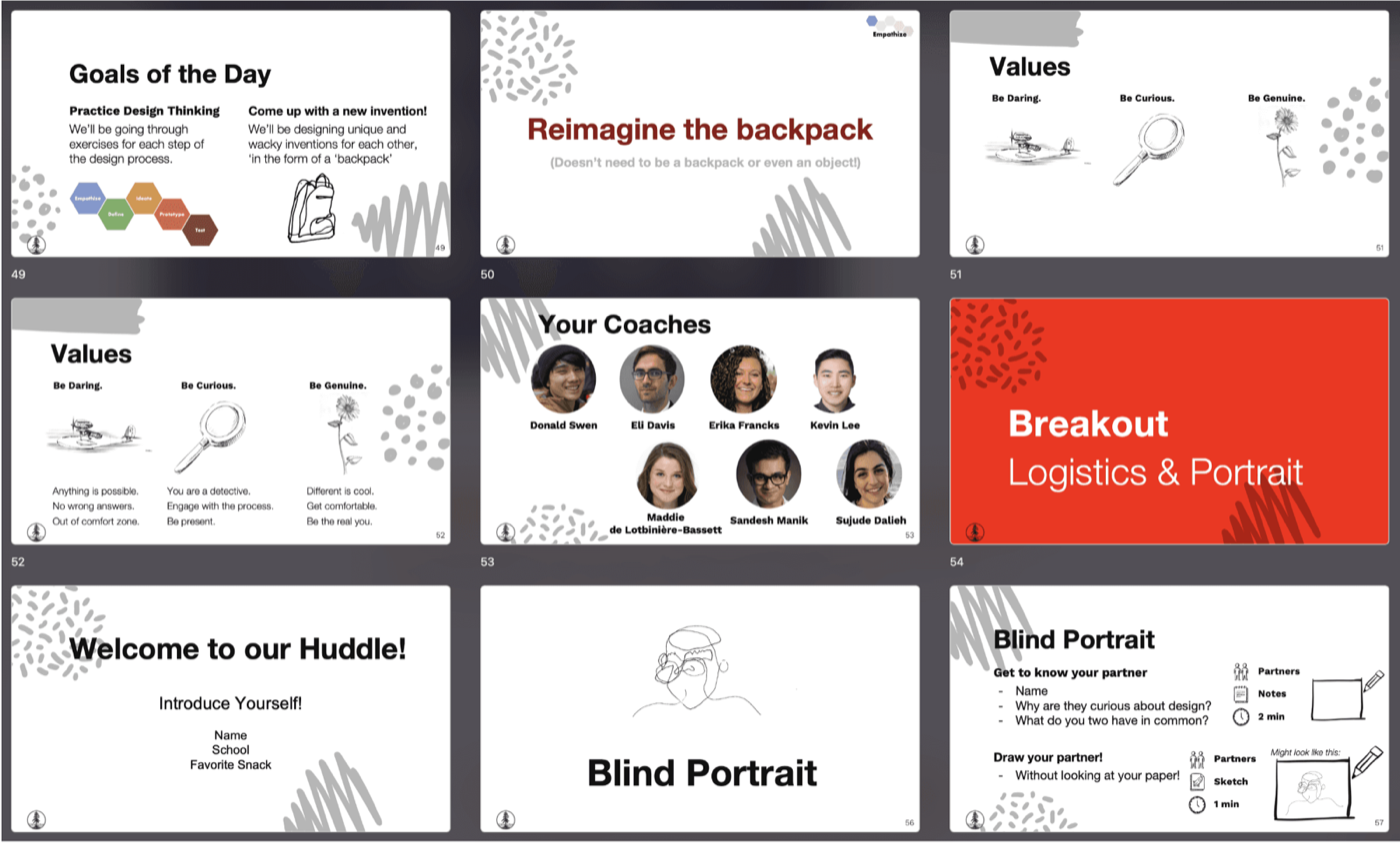
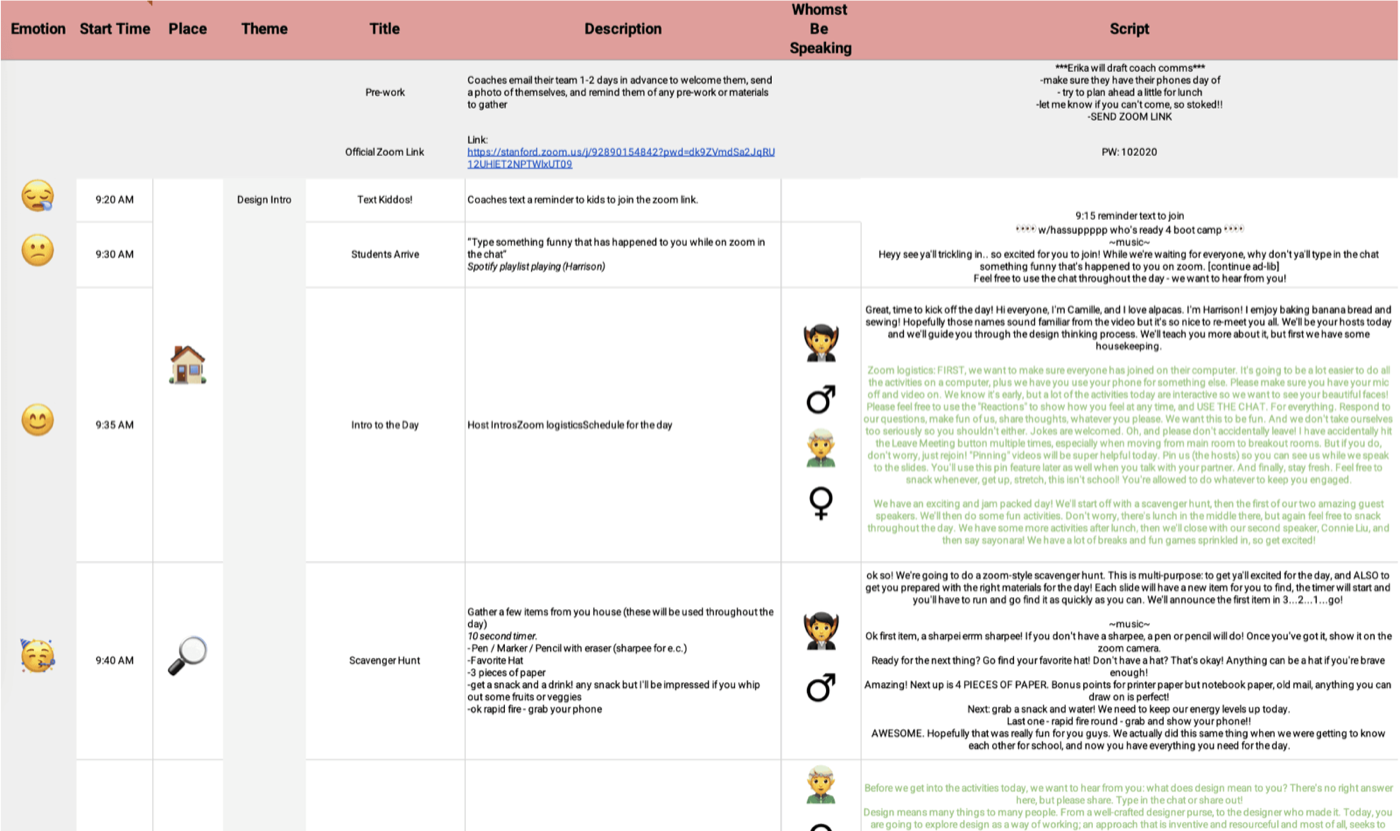
A one-day remote workshop that took twenty high schoolers with no design background through the entire design-thinking process, from empathy interviews to a prototype each of them built by the end of the day.
Context
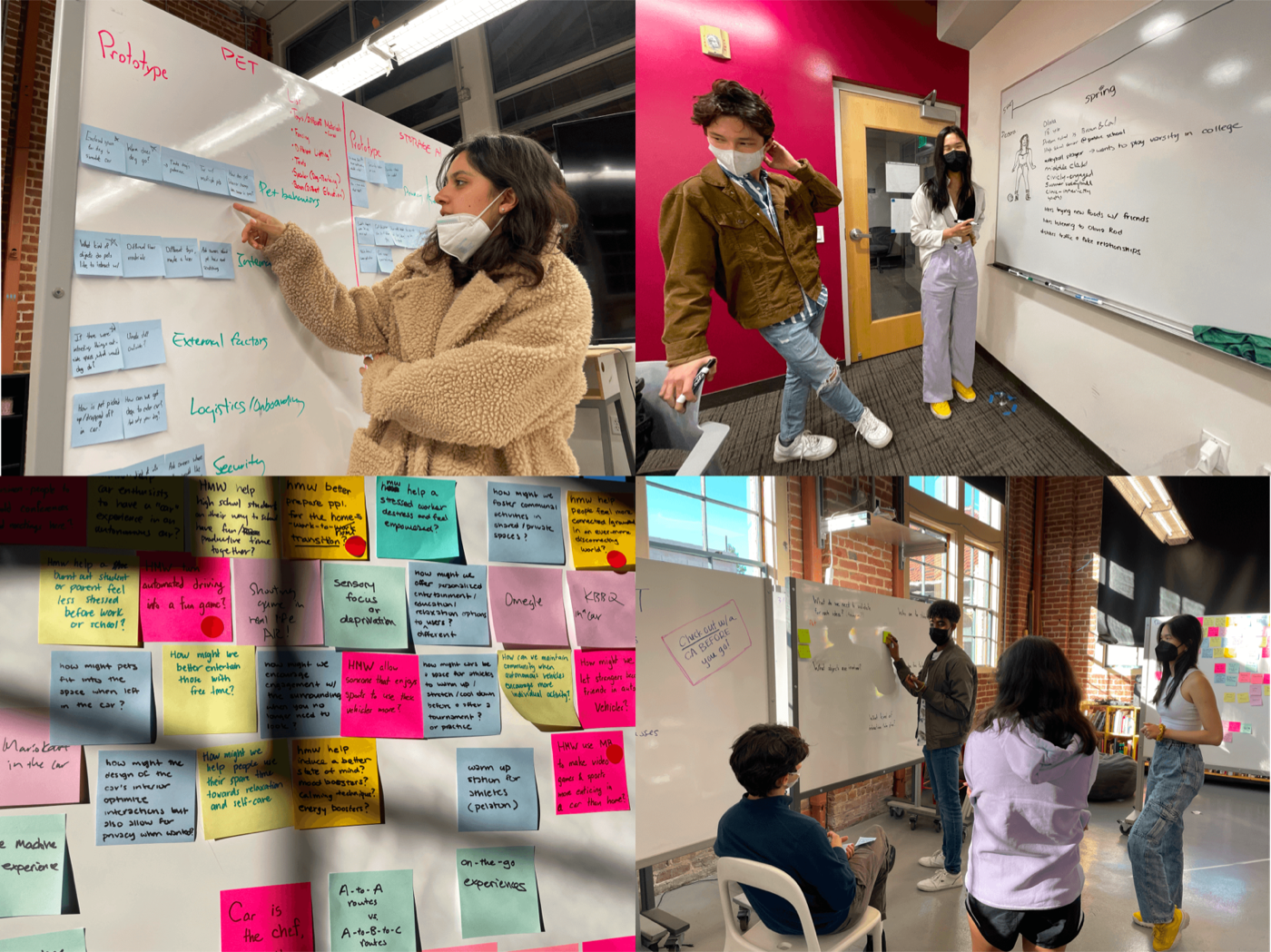
As part of Stanford’s Product Design program, our cohort partnered with a local nonprofit to run a one-day design thinking workshop for underprivileged high school students. The goal was to introduce Design Thinking methodology as a tool for creative problem-solving in an accessible, hands-on way.
The challenge
How might we introduce design thinking to students with no prior exposure and inspire them to apply it in their daily lives?
My responsibilities
Process & activities
Outcome & impact
Feedback from students
“I learned a lot and it really surprised me to know that I have the capacity to be this creative and solving problems. I loved listening and watching my partners prototype of how well they solve problems that was my favorite part. I feel like this will definitely help me in my life from now on to solve any kind of problem and know how to come up with solutions I am very grateful that I got to live this amazing experience, it would have much more fun in person but given to the consequences it was’t possible.”
“I learned that deep inside me I have a part of creativity. What surprised me was that I was able to come up with a solution to my partners feedback and what my partner wanted to see in the backpack. My favorite part was laughing with everyone during the process and also meeting new people.”
“I learned that you have to look at how others feel about a situation; you can’t just take your own perspective and run along with it. How much goes into the process surprised me. There was so much more to it than I ever thought of. My favorite part was coming up with ideas, drawing it/creating it, and presenting it for feedback and improvement (I also enjoyed everybody being just nice & cool people, coaches & classmates alike). If I had the chance to do another workshop like this or building upon this one, I would be more than happy to do it.”
Future Mobility Research
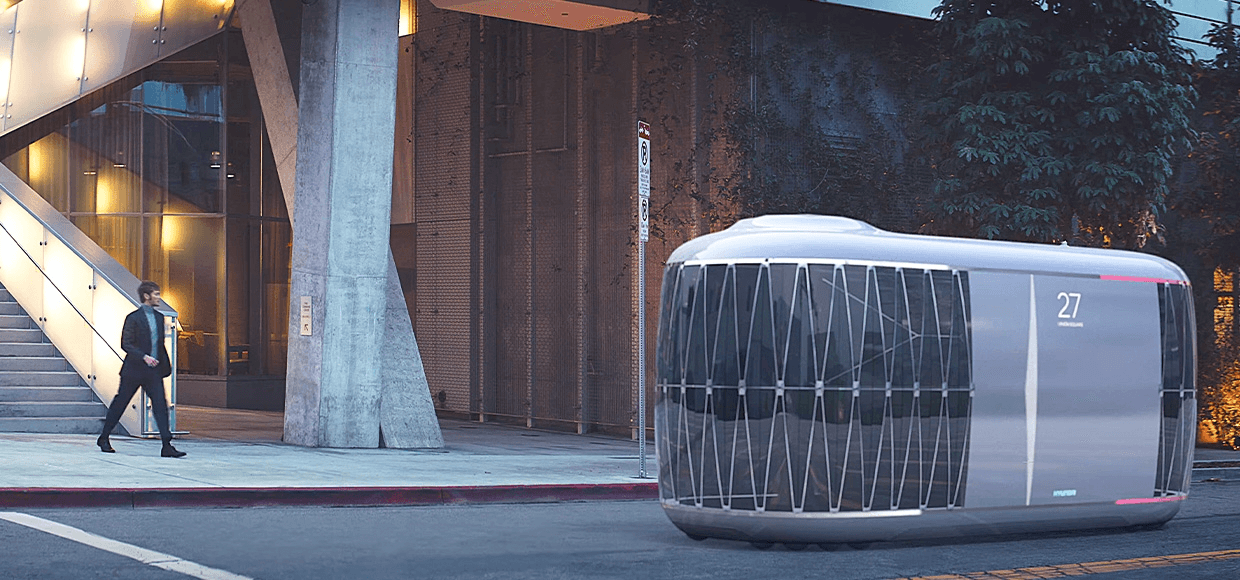
A Hyundai-sponsored research studio imagining how people move through a dense, autonomous city in 2035, culminating in Micro-Hubs, modular pods that link together en route.
Context
In a sponsored studio collaboration, Hyundai Motors challenged our team to envision mobility solutions for the year 2035, tackling urban congestion, sustainability, and the role of autonomous technology in shaping the future of transportation.
The challenge
How might we design a mobility experience that creates value for individuals, communities, and infrastructure in a highly urbanized, autonomous future?
My responsibilities